
Fence Repair and Staining – When to DIY Vs Hire a Professional
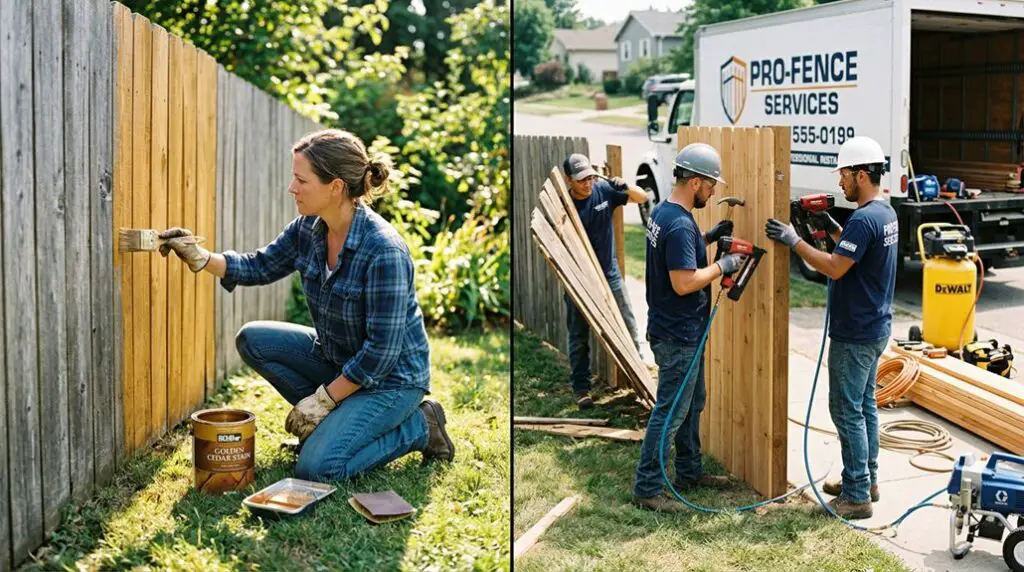
According to the American Housing Survey, nearly 60% of homeowners have a fence on their property, yet many don’t know when a repair job is a simple weekend task or a costly mistake waiting to happen. You’ve probably noticed a leaning post or peeling stain and wondered whether you should grab your tools or your phone. The answer depends on a few critical factors most homeowners overlook.
DIY or Pro: What Your Fence Project Really Needs
When you’re staring at a damaged or weathered fence, the first question is whether to tackle the project yourself or call in a professional. Minor fence repair tasks like replacing a single board are solid DIY territory. However, extensive damage demands specialized knowledge that professionals bring to every job. Hiring a professional eliminates costly mistakes and delivers durable results that protect your long-term value. Consider the time commitment too—DIY projects stretch across multiple weekends, while pros finish in days. You’ll also need to navigate zoning laws and local regulations, which professionals handle routinely. Assess your skills honestly. If the project’s scope exceeds your experience, professional services give you control over quality without the risk.
Fence Repairs You Can Handle Yourself
Before starting any DIY fence repairs, assess the damage carefully. Surface rot responds well to wood sealant or epoxy, but significant structural problems demand a professional service with reliable customer service and proper equipment. Always factor in material costs, tool purchases, and potential permit fees to verify your project stays cost-effective. When the damage exceeds your expertise, hiring a professional guarantees the job meets safety standards and lasts long-term.
Fence Damage That Calls for a Professional
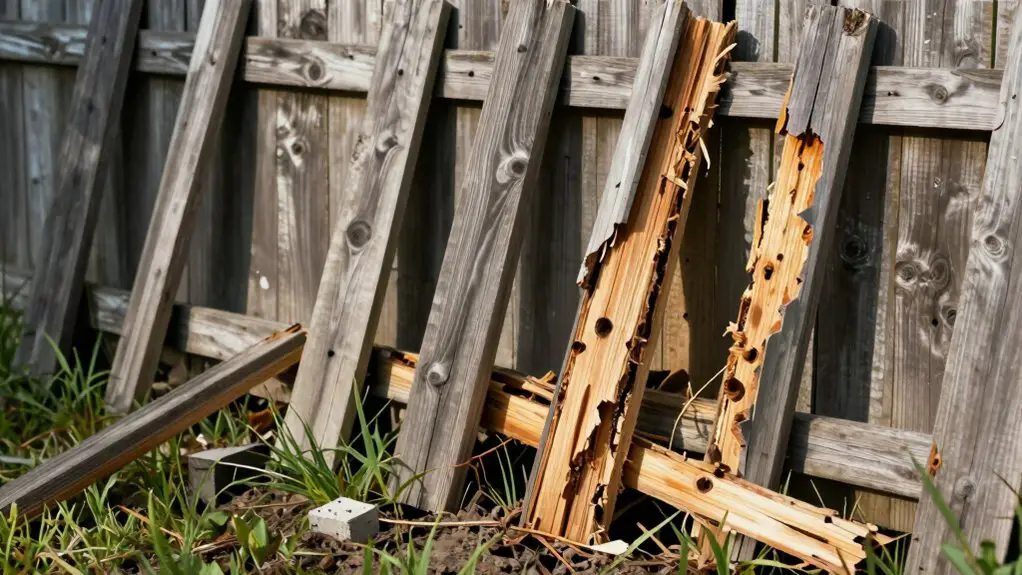
Some fence problems go beyond what a hammer and a weekend can fix. When you’re facing structural issues like leaning posts, extensive rot, or electric gate malfunctions, hiring a professional is the power move. Their expertise guarantees your fence repair meets local codes and stands the test of time.
Consider calling a professional when you encounter:
- Structural issues that compromise your fence’s overall stability or alignment
- Complex projects requiring specialized tools or reconstruction techniques
- Safety hazards involving power lines, heights, or hazardous materials
- Compliance concerns where local building codes dictate specific repair standards
A professional’s assessment prevents costly mistakes on complex projects. You’ll gain durable results backed by specialized knowledge, keeping your property secure and fully compliant with regulations.
DIY Fence Staining vs. Professional Results
Between grabbing a brush yourself and hiring a pro, the right choice for fence staining depends on your project’s size, your skill level, and how long you want the finish to last. DIY fence staining works well for small, straightforward fences where you want to save money. However, uneven terrain or complex layouts can lead to inconsistent coverage that accelerates wood rot.
A professional fence company brings specialized tools and high-quality products that deliver a uniform, durable finish. Unlike durable vinyl fencing, wood demands precise staining to maintain curb appeal and structural integrity. Hiring a contractor means guaranteed results typically completed within two days. While the upfront cost is higher, professional staining reduces long-term maintenance expenses, protecting your investment and giving you lasting control over your property’s appearance.
What Fence Repair and Staining Actually Cost
Understanding the true cost of fence repair and staining helps you make smarter decisions about whether to pick up a brush or pick up the phone. Professional services for fence repair range from $255 to $685, while staining runs $0.50 to $2.00 per square foot. DIY cuts labor expenses but demands tools, materials, and permits.
Consider these financial implications before committing:
- Simple fence repair can cost as little as $50, but complex damage pushes contractor bills past $2,500.
- DIY staining saves on labor yet requires brushes, stains, and prep supplies that add up.
- Professional staining delivers long-term savings through durable, high-quality application.
- Project complexity determines whether your skill level justifies the DIY route or demands professional expertise.
How a Bad Fence Fix Hurts Property Value
A bad fence repair can slash your property value by 10% or more, turning a minor fix into a major financial setback. Misaligned posts, uneven boards, and deteriorating materials signal neglect to buyers and appraisers alike. When weighing DIY and hiring options, consider that botched repairs often escalate labor costs down the road.
Ineffective staining accelerates wood rot, mold, and discoloration, destroying curb appeal. Poor fence installation compromises security, creating liability exposure. Before grabbing sawdust and judgment calls, assess your actual tools and techniques honestly. Hiring a professional for complex repairs delivers peace of mind and protects your investment. Real estate experts confirm that a well-maintained fence directly boosts property value, while a shabby one drives buyers away. Don’t let bad repairs cost you thousands at closing.
Tools, Time, and Skills for DIY Fence Work
Now that you understand how poor repairs tank property value, let’s talk about what it actually takes to handle fence work yourself. The DIY route demands proper planning, the right tools, and solid carpentry skills. You’ll need power washers, brushes or sprayers, hammers, and screwdrivers at minimum. Without these, you’re setting yourself up for failure.
Before committing your time, consider these essentials:
- Budget one to two full weekends for cleaning, repairs, and multiple stain coats.
- Know your wood type, as it dictates your staining method and tools.
- Honestly assess your skills — measuring, diagnosing damage, and executing repairs efficiently require experience.
- Accept that mistakes cost money, potentially making hiring a professional the smarter move.
Mastering these details delivers a real sense of accomplishment and can save you time long-term.