
How to Build a Backyard Shed – Planning, Permits, and Foundation Guide
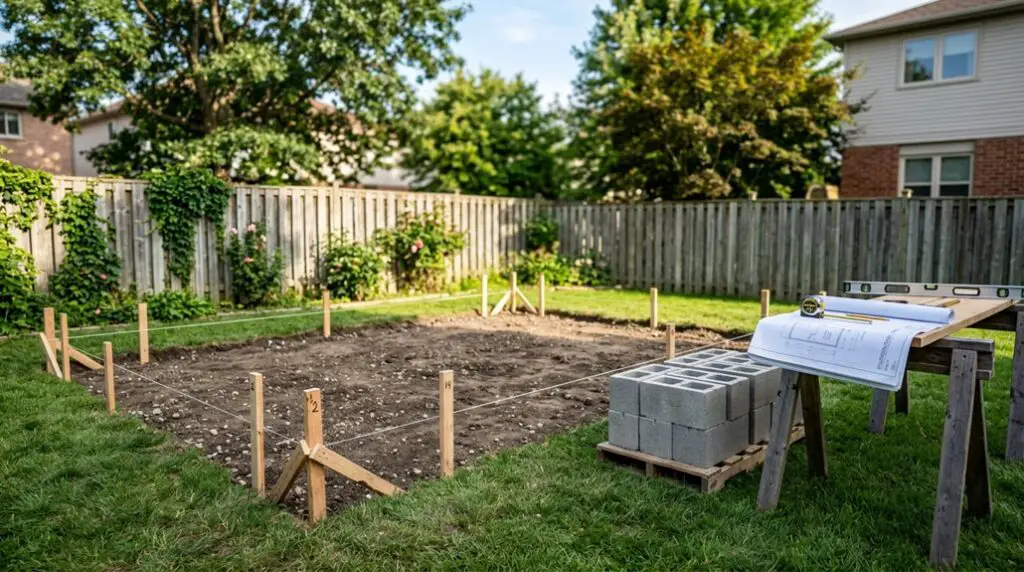
Building a backyard shed isn’t just about grabbing lumber and a hammer—it starts with decisions that’ll determine whether your project stands strong or falls apart. You’ll need to nail down the shed’s purpose, navigate local permits, and choose a foundation that handles moisture and shifting ground. Each step matters more than you’d think, and skipping one can cost you time and money. Here’s how to get it right from the ground up.
Decide Your Shed’s Purpose, Size, and Placement
Before you pick up a single tool, you’ll need to define what your shed is actually for. A storage shed for basic tools fits comfortably at 6×8, while a workshop demands 10×16 or larger. Assess your needs honestly—undersizing costs you later.
Placement in your backyard matters. Choose a spot with clear access for material delivery and daily use. Check local building codes to confirm setback requirements from property lines, as these directly dictate where you can build. Sun exposure also shapes your shed design; full sun works for tool storage, but shaded areas suit workspace sheds better. Remove obstacles like overhanging trees early. Smart size and placement decisions now give you total control over the build ahead.
Check Shed Permits and Local Building Codes

Once you’ve nailed down your shed’s size and placement, your next step is confirming that your plans align with local building codes. Contact your local building department to determine whether you need a building permit. Many building regulations allow sheds under 100 square feet without one, but you must verify local codes to avoid fines.
Permitting typically requires submitting a plot diagram showing your shed’s location relative to property lines and existing structures. Review restrictions on shed dimensions, including shed height and total square footage, to ascertain compliance. Don’t skip this step—securing the proper permits protects your investment and prevents complications during property assessments or future home sales. You’ll move forward with confidence knowing your project meets every requirement.
Prepare and Level Your Shed Site
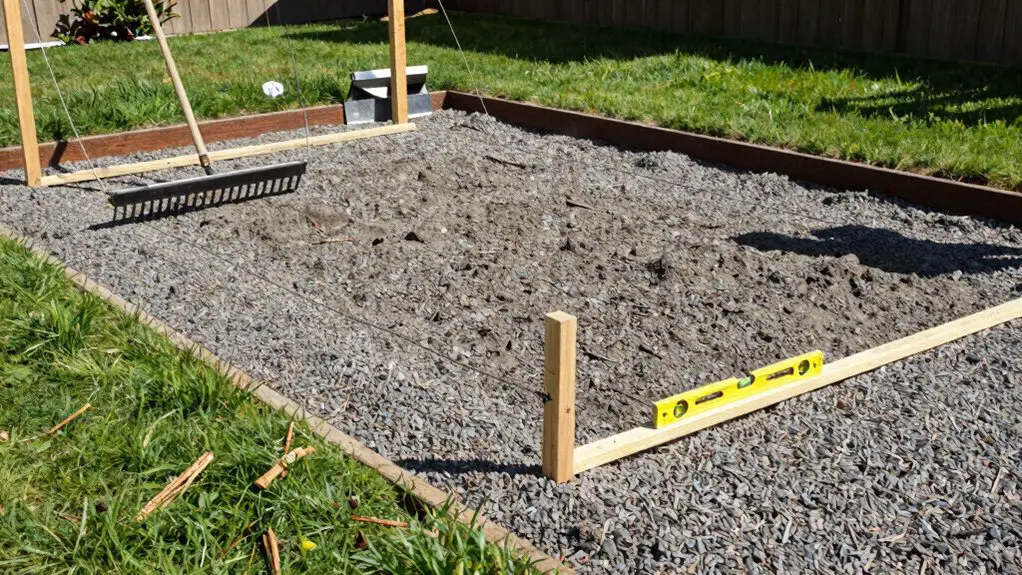
A solid foundation starts with thorough site preparation, so grab your shovel, rake, and level to get the area ready. Clear the shed site of grass, rocks, roots, and debris to establish a clean workspace. When preparing and building the ground surface, aim for no more than six inches of variance between high and low points to level it properly.
Your foundation options for backyard storage include:
- Concrete slab for maximum durability and load-bearing strength
- Gravel pad for cost-effective proper drainage
- Treated wooden frame for versatile, permit-friendly installations
Ensure the ground slopes away from your shed at 1-2% to prevent moisture damage. Maintain three to four feet of clearance around the structure for easy access and maintenance.
Choose the Right Shed Foundation for Your Build
Choosing the right foundation determines how well your shed handles weight, moisture, and shifting ground over the years. Your shed foundation must account for soil conditions, frost line depth, and local building setbacks before you build. Concrete slabs deliver superior moisture protection and load distribution, while timber skids or gravel pads work well for smaller structures. In colder climates, you’ll need footings that extend below the frost line to prevent heaving.
Add adjustable bases to your materials list if you’re working with sloped terrain—they simplify leveling and save time. Concrete blocks distribute weight evenly when spaced correctly, but avoid hollow blocks that invite erosion. Always check local building codes, as they dictate foundation requirements based on your shed’s size, space restrictions, and intended use.
Plan Drainage and Landscaping Around Your Shed
Because water is your shed’s most persistent enemy, planning drainage and landscaping before you build saves you from costly repairs down the road. Slope the ground around your foundation at a 1-2% grade so water flows away naturally. Install a gravel bed or pavers to boost drainage and cut moisture buildup at the base.
Take command of your shed’s longevity with these three essentials:
- Add gutters and downspouts to direct roof runoff away from your foundation.
- Maintain three to four feet of clearance around the shed to promote airflow and prevent moisture problems.
- Keep trees and shrubs at a distance to improve air circulation and eliminate rot risk.
Smart landscaping gives you total control over water management.
Order Materials and Prep for Build Day
With your drainage plan and landscaping strategy locked in, it’s time to shift your focus to gathering everything you’ll need for construction day. Start by compiling a detailed materials list that includes pressure-treated lumber, plywood, roofing supplies, fasteners, and any doors or windows. Before you order materials, compare prices across multiple suppliers to stay within the typical $10.00 to $15.00 per square foot range.
Review local building codes and permit requirements to confirm your materials meet all construction regulations. Don’t overlook your shed foundation specs when selecting lumber grades. Organize all tools and equipment—saws, hammers, levels, and safety gear—well before your scheduled build day. Building your shed demands preparation, so block out a full day with reliable help to keep the project on track.