
Protecting Outdoor Furniture – Storage Vs Cover

You’ve invested in quality outdoor furniture, and now you’re facing a critical decision that’ll determine whether it lasts five years or fifteen. The debate between covers and storage isn’t as straightforward as you might think—and the material your furniture is made from changes everything. What works perfectly for aluminum could destroy your teak. Before you make a costly mistake, you need to understand what’s really at stake.
Understanding Your Outdoor Furniture’s Biggest Enemies
When you invest in quality outdoor furniture, you’re also signing up to battle the elements. UV radiation breaks down polymer chains in plastics and fades fabric dyes, while moisture infiltrates wood grain and metal joints, triggering rot and corrosion.
Temperature fluctuations cause materials to expand and contract, weakening structural integrity over time.
You’ll also contend with biological threats: mold, mildew, and algae thrive in damp conditions, embedding themselves in cushion foam and wicker weave.
Bird droppings and tree sap contain acids that etch finishes if left untreated. Wind-driven debris scratches surfaces, creating entry points for deeper damage.
Understanding these adversaries helps you select appropriate protective strategies.
Each material responds differently to environmental stressors, making targeted defense essential for maximizing your furniture’s lifespan and appearance.
The Case for Covers: Benefits and Limitations
Furniture covers serve as your first line of defense against the environmental threats outlined above. Quality covers block UV radiation, repel moisture, and prevent debris accumulation on your pieces.
They’re particularly effective against bird droppings, tree sap, and airborne pollutants that cause surface degradation.
However, covers aren’t without drawbacks. Poorly ventilated covers trap condensation underneath, creating ideal conditions for mold and mildew growth.
Ill-fitting options allow wind infiltration, causing abrasion damage as fabric flaps against surfaces. You’ll also contend with the inconvenience of removal and replacement during frequent use periods.
Your cover’s effectiveness depends entirely on material quality, proper fit, and adequate ventilation features.
Cheap covers often deteriorate within one season, while premium options with breathable panels and secure fastening systems deliver multi-year protection.
| ULTCOVER Rectangular Patio Heavy Duty Table Cover | 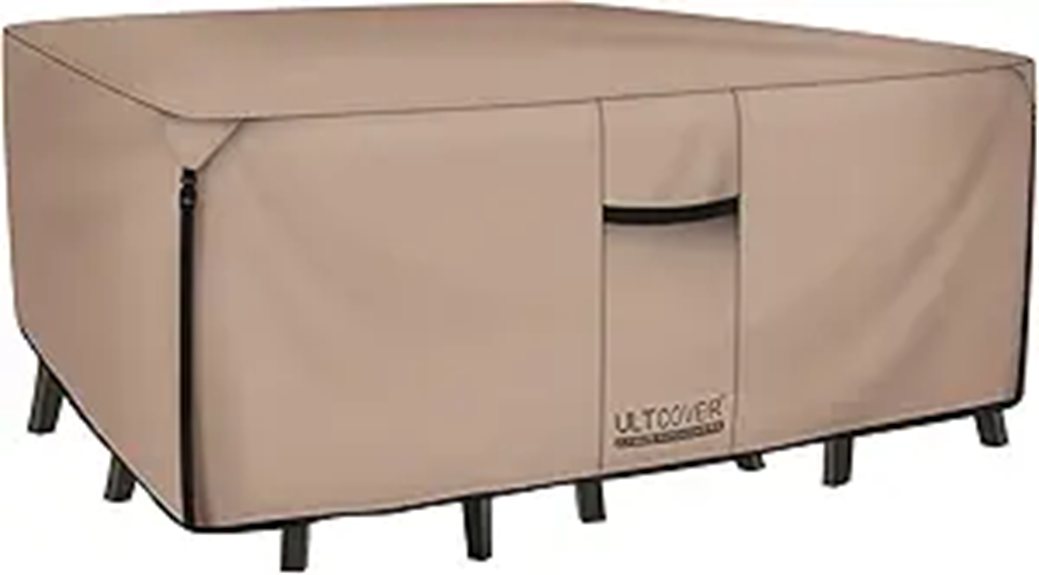 | Best Overall | Material: 600D Polyester with PVC backing | Dimensions: 111L x 74W x 28H inches | Waterproof Protection: Yes, waterproof backing | VIEW LATEST PRICE | Read Our Analysis |
| Waterproof Patio Furniture Covers Heavy Duty 600D | 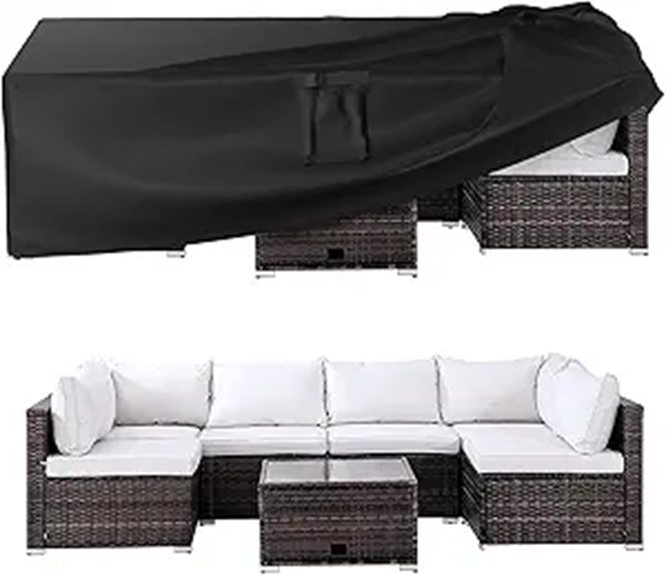 | Best for Large Sets | Material: 600D with PU coating | Dimensions: 108L x 82W x 27.9H inches | Waterproof Protection: Yes, PU coating with taped seams | VIEW LATEST PRICE | Read Our Analysis |
| Vailge Waterproof Patio Chair Covers (2 Pack) | 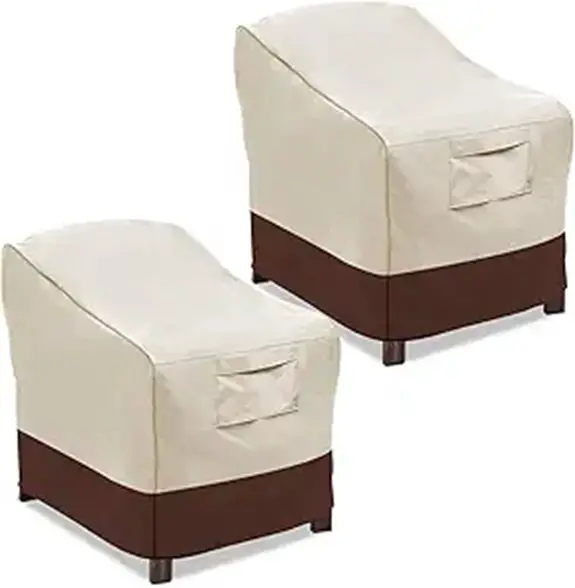 | Best for Chairs | Material: 600D Oxford fabric | Dimensions: 37W x 40D x 30H inches | Waterproof Protection: Yes, water-resistant laminated backing | VIEW LATEST PRICE | Read Our Analysis |
Why Proper Storage Wins for Long-Term Protection
While covers provide solid seasonal defense, proper storage remains the gold standard for preserving outdoor furniture through harsh conditions.
When you relocate pieces to a garage, shed, or basement, you eliminate exposure entirely—no UV degradation, moisture infiltration, or temperature cycling can reach your investment.
Storage prevents the micro-damage that accumulates even under quality covers.
Condensation buildup, wind-driven debris, and pest infiltration become non-factors.
You’ll also avoid the cover maintenance cycle: cleaning, repositioning, and replacing worn materials annually.
Consider the math. Premium furniture stored properly can last decades.
The same pieces left outdoors, even covered, typically show significant wear within five to seven years.
If you’ve invested in quality materials, dedicate climate-controlled space.
Your furniture’s longevity depends on this commitment.
Caring for Teak and Natural Wood Furniture
Natural wood furniture regularly demands more attention than synthetic alternatives, but the payoff justifies the effort.
Teak contains natural oils that resist rot and insects, but you’ll need to decide whether you want that silvery patina or the original honey tone.
Teak’s natural oils make it incredibly resilient—your only choice is embracing the silver patina or preserving that warm honey glow.
To maintain teak’s golden color, apply a quality teak sealer every six to twelve months. Clean surfaces with a soft brush and mild soap solution before sealing.
For other hardwoods like cedar or eucalyptus, use specialized wood oils that penetrate deeply and repel moisture.
Never use pressure washers on natural wood—you’ll damage the grain structure.
Store wooden pieces under breathable covers or move them indoors during harsh winters.
Sand any rough patches promptly to prevent splinters and apply touch-up treatments to exposed areas immediately.
Aluminum and Metal Furniture Protection Strategies
Although aluminum and metal furniture won’t rot or attract insects like wood does, these materials face their own challenges from the elements.
Aluminum develops oxidation that creates a chalky residue, while steel and wrought iron are susceptible to rust when their protective coatings fail.
You’ll want to inspect your metal pieces regularly for chips, scratches, or worn spots in the finish.
Address these vulnerabilities immediately by cleaning the area, applying rust-inhibiting primer to ferrous metals, and touching up with exterior-grade paint.
For routine maintenance, wash your metal furniture monthly with mild soap and water, then dry thoroughly.
Apply automotive wax twice yearly to create a protective barrier against moisture and UV damage.
Store cushions separately, and consider using breathable covers during extended periods of non-use.
Wicker and Rattan: Special Considerations for Woven Pieces
Wicker and rattan furniture requires a different care approach because these woven materials react to moisture and sunlight in ways that metal simply doesn’t.
Unlike metal, wicker and rattan demand specialized care—moisture and sunlight affect these woven materials in entirely different ways.
Natural fibers absorb humidity, leading to swelling, warping, and eventual brittleness when they dry out repeatedly. You’ll want to position these pieces under covered patios or use breathable furniture covers that prevent moisture accumulation while blocking UV rays.
Synthetic resin wicker offers greater durability, but even these materials benefit from protection against prolonged sun exposure, which causes fading and cracking.
Clean woven surfaces with a soft brush to remove debris trapped in crevices. Apply a UV-protective sealant annually to natural rattan.
During winter months, store pieces indoors or in climate-controlled spaces—the freeze-thaw cycle devastates natural wicker’s structural integrity faster than any other environmental factor.
Wrought Iron Maintenance and Rust Prevention
Because wrought iron combines timeless aesthetic appeal with exceptional durability, it’s become a favorite choice for outdoor furniture—but that strength comes with one significant vulnerability.
Rust remains wrought iron’s primary enemy. You’ll need to inspect your pieces regularly, focusing on joints, welds, and decorative details where moisture accumulates.
When you spot early oxidation, address it immediately with a wire brush or fine-grit sandpaper before it spreads.
Apply a rust-inhibiting primer followed by exterior-grade metal paint to create a protective barrier. You should recoat every two to three years, depending on your climate’s severity.
During wet seasons, position furniture away from sprinklers and pooling water. Consider applying automotive wax for additional protection between paint cycles. Store cushions separately to prevent trapped moisture against the iron surface.
Seasonal Checklists for Year-Round Furniture Care
While each season brings distinct challenges for outdoor furniture, establishing a structured maintenance routine guarantees your pieces remain protected throughout the year.
Seasonal care isn’t optional—it’s the difference between furniture that lasts decades and pieces you replace every few years.
Spring: Inspect all joints and hardware for winter damage.
Deep clean surfaces, removing accumulated debris and mildew.
Apply fresh sealants or protective coatings before peak UV exposure begins.
Summer: Conduct bi-weekly cleanings to prevent pollen and dirt buildup.
Check covers for ventilation adequacy and reposition furniture to minimize prolonged sun exposure on vulnerable materials.
Fall: Perform thorough cleaning before storage season.
Tighten loose screws, treat rust spots immediately, and assess cushion integrity.
Apply water-repellent treatments to wood and fabric components.
Winter: If storing outdoors, secure weatherproof covers tightly.
Monthly inspections catch moisture infiltration early.
For stored pieces, maintain climate control to prevent cracking or warping from temperature extremes.