
Spring Lawn Care Checklist – Overseeding, Fertilizing, and Aeration Timing
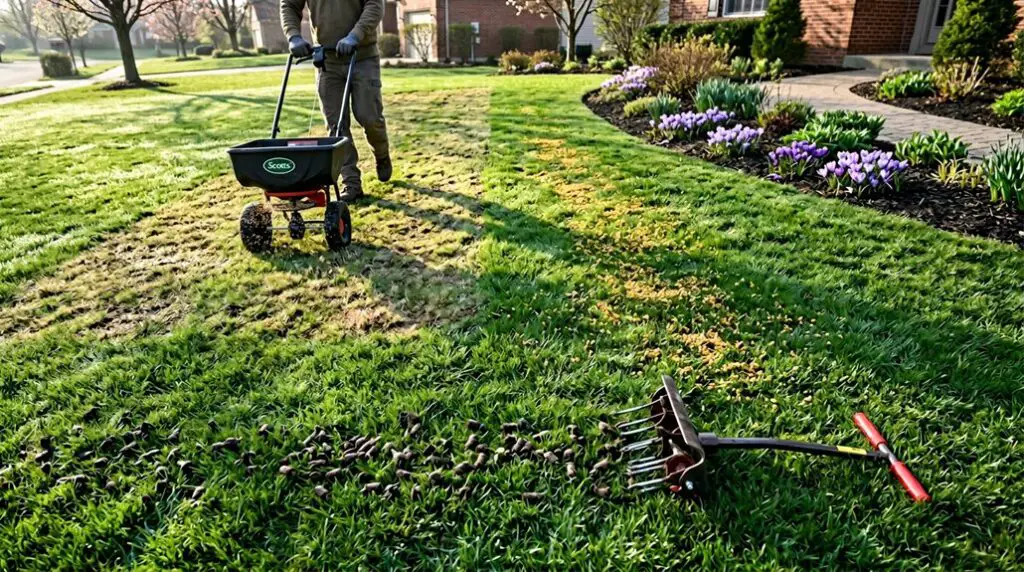
What separates a patchy, struggling lawn from the thick, green turf your neighbors envy? It’s not luck—it’s timing. When you aerate, overseed, and fertilize in the right sequence and at the right soil temperatures, you give your grass everything it needs to thrive. Get one step wrong, though, and you’ll waste time, money, and effort. Here’s the precise week-by-week schedule that takes the guesswork out of spring lawn care.
Why Spring Lawn Care Timing Matters More Than You Think
When it comes to spring lawn care, timing isn’t just important—it’s everything. Every step in your lawn care maintenance routine depends on specific conditions. Apply pre-emergent weed control when soil temperatures hit 50-55°F to stop weeds before they start. Fertilizing too early forces grass growth during dormancy, weakening your turf. Instead, wait until your grass has been actively growing for three weeks.
Core aeration before overseeding dramatically improves seed-to-soil contact, boosting germination rates. After overseeding or fertilizing, deliver 1-1.5 inches of water per week to support recovery. You control the outcome of your healthy lawn by matching each action to the right moment. Master the timing, and you master the results.
Test Your Soil Before Any Spring Lawn Care Begins
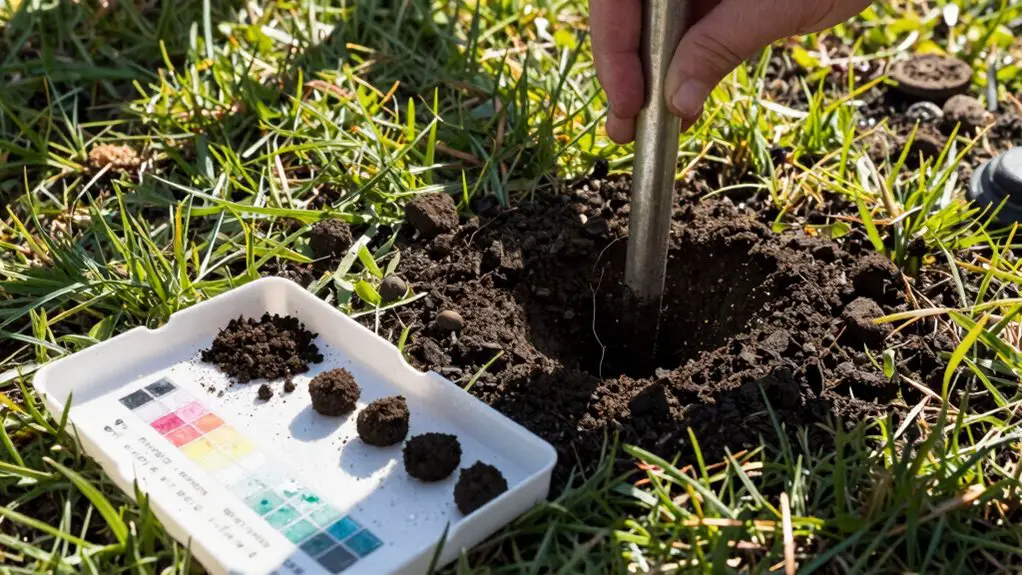
How do you know what your lawn actually needs if you haven’t tested the soil? A soil test reveals pH levels, nutrient gaps, and organic matter content, giving you command over every decision that follows. You’ll know exactly which amendments to apply, eliminating guesswork from your fertilization and overseeding plans.
Test your soil when conditions are right—moist soil in March or early April delivers the most accurate readings. Soil testing kits let you sample multiple zones across your yard to capture varying soil conditions. The results dictate your fertilizer type, application rate, and whether lime adjustments are necessary. This data directly controls grass growth outcomes, making every subsequent step in your spring lawn care checklist more effective and deliberate.


Start Spring Weed Prevention at the Right Soil Temperature
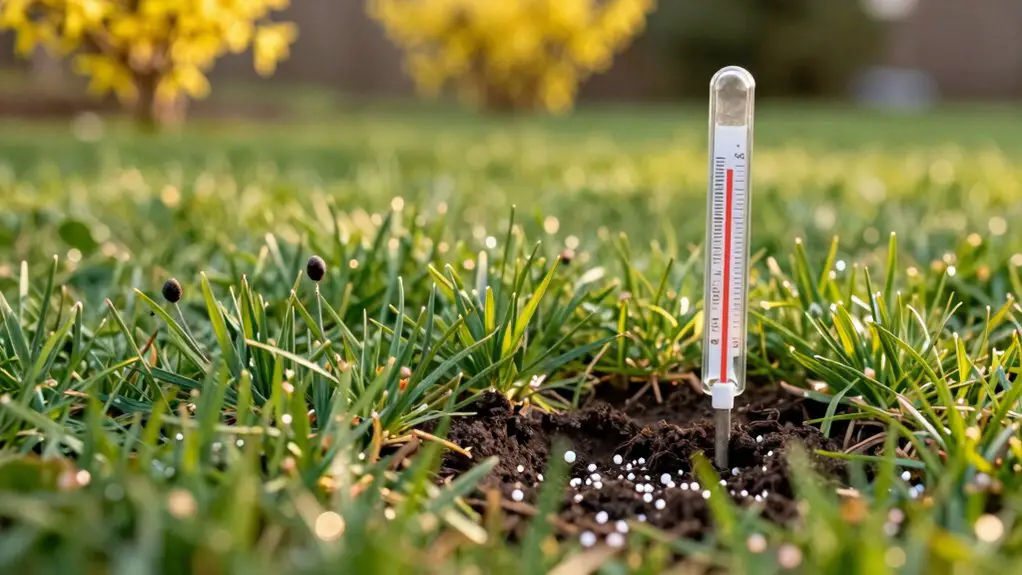
Most spring weed problems start underground well before you notice anything on the surface. Pre-emergent herbicides are your strongest weapon for spring weed prevention, but application timing determines everything. You must act in early to mid-spring, before weed seeds germinate.
Here’s how to dominate your lawn health strategy:
- Monitor soil temperatures daily using a soil thermometer, taking afternoon readings for accuracy.
- Apply pre-emergent herbicides once soil temperatures consistently hit 50-55°F to stay within the effective window.
- Avoid applying too early, as cold conditions degrade the herbicide before it can work.
Missing this window hands control to stubborn weeds that’ll challenge you all season. Track your soil temperatures closely, and you’ll command a cleaner, stronger lawn from the start.
When and How to Aerate Your Spring Lawn
Aeration ranks among the most impactful things you can do for your spring lawn, yet many homeowners skip it or get the timing wrong. Target March through April, when soil temperatures hit 50-55°F and your grass is actively growing. This timing guarantees you’re breaking through compaction when it matters most for grass growth.
Use a core aerator to pull 3-4 inch soil plugs, creating direct pathways for air, water, and nutrients. Ensure your soil is moist but not waterlogged for ideal penetration. Follow up immediately with overseeding to improve turf density and fill bare spots. Choose seed mixes suited to your local lawn conditions. Done right, spring lawn care through aeration and seeding transforms weak turf into a thick, dominant stand.
Overseed Bare Spots Right After Spring Aeration
Once you’ve finished aerating your lawn, overseeding bare spots immediately gives new grass seed the best chance to germinate and establish. Core aeration creates holes that deliver water, nutrients, and air directly to the root zone, maximizing seed-to-soil contact for superior germination.
Follow these steps to dominate your spring lawn care:
- Choose the right grass seed that matches your lawn type and growing conditions, applying at 50% of the standard seeding rate.
- Time your overseeding for late April to May, when soil temperatures support strong germination.
- Commit to consistent watering — deliver 1 inch per week, preferably in the early morning, to fuel rapid establishment.
This approach transforms bare spots into thick, resilient turf you’ll command all season.
Fertilize Your Spring Lawn on the Right Schedule
Fertilizing your spring lawn at the right time makes the difference between a thriving yard and one that struggles through the season. Wait until your grass has been actively growing for about three weeks before applying fertilizer, typically around Memorial Day. This timing aligns with natural growth cycles and guarantees your lawn absorbs nutrients efficiently.
Use slow-release nitrogen formulas matched to your soil testing results to address specific nutrient needs. For cool-season lawns, skip mid-summer applications entirely, as excess heat combined with fertilizing causes stress and damage. Your lawn care checklist should prioritize early spring and fall as prime fertilization windows. Don’t fertilize during dormancy—you’ll force unnecessary growth that weakens your turf when conditions can’t support it.
Your Week-by-Week Spring Lawn Care Checklist
Now that you understand the importance of proper fertilization timing, let’s map out your entire spring lawn care season week by week. This lawn care plan puts you in command of every phase of healthy grass development.
Take command of your spring lawn care — a week-by-week plan for every phase of healthy grass development.
- Weeks 1–2 (Early Spring): Complete soil testing to assess pH and nutrient levels. Once temperatures reach 50–55°F, apply pre-emergent herbicides for decisive weed control before problems take root.
- Weeks 3–4: Perform aeration to break up compacted soil, then follow immediately with overseeding to maximize seed-to-soil contact and drive superior grass growth.
- Weeks 5–6 (Around Memorial Day): Apply slow-release fertilizers after your grass has been actively growing for roughly three weeks, fueling sustained recovery and density through the season.