
Winter Car Emergency Kit – Beyond Ice Scraper
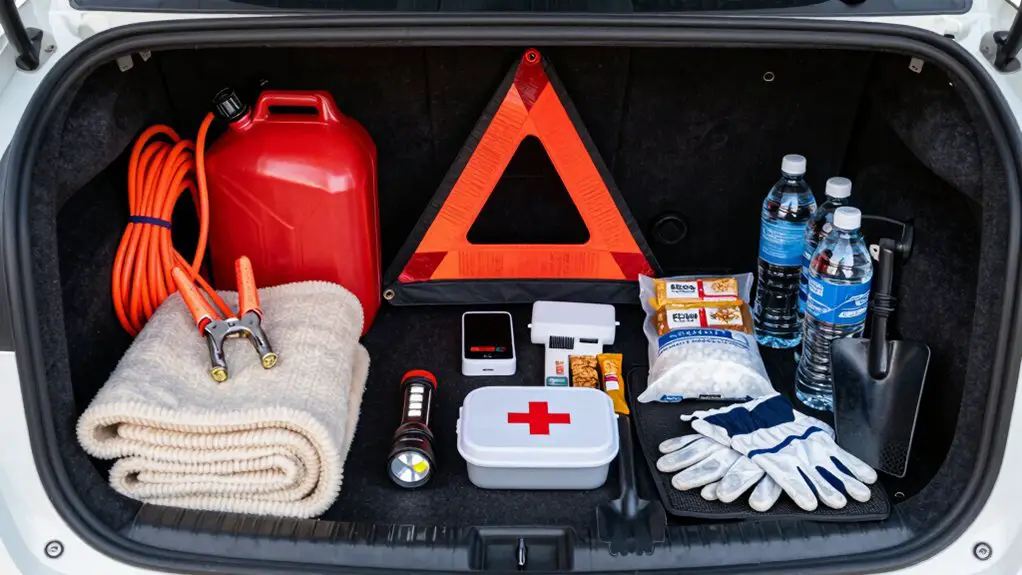
You’ve scraped ice off your windshield countless times, but that plastic tool won’t save you when you’re stranded on the highway during a whiteout. Winters don’t play fair—they’ll test your preparedness when temperatures plummet and help is hours away. The difference between a minor inconvenience and a dangerous situation often comes down to what’s sitting in your trunk right now.
Why Winter Weather Demands More Than Basic Preparedness
When temperatures plummet to -20°C and lake-effect snow dumps 30 centimeters overnight, transform from inconvenient to genuinely dangerous. You can’t rely on a basic ice scraper and jumper cables when you’re stranded on the highway during a sudden whiteout.
Winters don’t wait for you to be ready—they strike fast and punish the unprepared.
Unique geography creates unpredictable microweather patterns. Lake Ontario generates intense snow squalls that materialize within minutes, reducing visibility to near-zero.
The city’s sprawling highway network means help isn’t always close, and cold-soaked batteries fail precisely when you need them most. You need equipment calibrated to these specific threats.
Understanding wind chill’s effect on exposed skin, how quickly hypothermia develops in stalled vehicles, and what supplies actually function at extreme temperatures separates prepared drivers from vulnerable ones.
Essential Cold Weather Survival Gear for Your Vehicle
Knowing winter risks matters only if you’ve packed the right gear to counter them.
Your vehicle needs a thermal survival foundation: a rated sleeping bag or heavy wool blankets, hand and body warmers, and insulated waterproof gloves.
Add a compact shovel with a collapsible handle and a bag of non-clumping cat litter for traction on ice.
Pack a flashlight with lithium batteries—they won’t fail in extreme cold like alkalines do. Include a portable phone charger, reflective triangles, and a whistle for signaling.
Don’t overlook nutrition: high-calorie, non-perishable foods like nuts and energy bars sustain you during extended waits.
Store bottled water, but keep it where it won’t freeze solid.
This gear transforms your vehicle from a cold trap into a survival shelter.
Snow and Ice Removal Tools Every Driver Needs
Survival gear keeps you warm, but several essential tools determine whether you’ll dig yourself out or stay stranded until help arrives.
Stock a collapsible snow shovel with a reinforced aluminum blade—plastic cracks in extreme cold. Choose one with an extendable handle to maximize leverage when clearing heavy, wet snow from wheel wells and exhaust pipes.
A collapsible snow shovel with an aluminum blade beats plastic every time—it won’t crack when temperatures plummet.
Your ice scraper needs a brass or stainless steel blade for thick ice buildup. Pair it with a long-handled snow brush featuring soft bristles that won’t scratch your paint.
Add traction aids like sand, kitty litter, or commercial traction mats to your kit. When your tires spin uselessly on ice, these materials provide the grip you need to gain momentum.
Compact, lightweight options store easily in your trunk year-round.
Emergency Communication and Power Supplies
Digging yourself out means nothing if you can’t call for help or keep your phone alive. A high-capacity portable power bank rated for cold weather operation is non-negotiable—standard lithium-ion batteries lose significant charge capacity below freezing.
Store your power bank inside the vehicle cabin, not the trunk, where temperatures drop even lower.
Invest in a hand-crank emergency radio with USB charging capability for backup power when your main battery dies. A 12-volt car charger with multiple ports lets you tap your vehicle’s battery directly.
Consider adding a personal locator beacon if you frequently drive remote northern routes.
Keep emergency contacts written on paper—a dead phone means lost numbers. Your communication lifeline determines whether a breakdown becomes an inconvenience or a crisis.
Food, Water, and Warmth Supplies for Extended Waits
A stranded vehicle can become dangerously cold within hours once the engine stops running.
When your engine dies in winter, your car transforms from shelter to freezer faster than most people realize.
You’ll need layered warmth solutions: pack wool blankets, an emergency bivvy, and hand warmers that activate on demand. A quality sleeping bag rated to -30°C provides critical insulation during extended waits.
Stock non-perishable, high-calorie foods that won’t freeze solid—energy bars, nuts, dried fruit, and chocolate deliver sustained energy without preparation.
Avoid canned goods unless you’ve included a manual opener and they’re stored where temperatures remain moderate.
Water presents unique challenges in subzero conditions. Carry bottles in insulated containers or wrap them in spare clothing to prevent freezing.
Include electrolyte packets to maintain hydration efficiency. Rotate these supplies each November, checking expiration dates and replacing any compromised items before winter’s first serious storm arrives.
Traction and Vehicle Recovery Equipment
While warmth and sustenance keep you alive during a breakdown, getting your vehicle moving again requires the right traction and recovery gear.
Stock your trunk with a folding shovel—essential for clearing snow from around tires and exhaust pipes.
Add a bag of non-clumping cat litter or coarse sand for instant traction on ice. Traction mats provide superior grip when positioned under drive wheels, letting you escape snowbanks without external help.
Include a tow strap rated for your vehicle’s weight, ensuring you can accept assistance safely. A small piece of carpet remnant works surprisingly well under spinning tires.
Don’t overlook tire chains if you frequently travel outside salted roads.
Keep everything accessible, not buried beneath luggage. When you’re stuck, efficient access matters.
First Aid and Medical Necessities for Winter Emergencies
Beyond getting unstuck, you’ll need supplies to handle medical emergencies that winter conditions can trigger or worsen. Your winter first aid kit should exceed standard summer configurations with cold-specific additions.
Stock your kit with instant hand warmers—they’re critical for treating early-stage hypothermia and frostbite. Include an emergency mylar blanket that reflects up to 90% of body heat. Pack extra prescription medications since winter delays can strand you for extended periods.
Your core supplies should include sterile gauze, adhesive bandages, antiseptic wipes, medical tape, and trauma shears. Add a digital thermometer to monitor for hypothermia’s warning signs. Include nitrile gloves since latex becomes brittle in freezing temperatures.
Don’t overlook a CPR face shield and basic instruction card—cold-induced cardiac events spike during winters.
Maintenance Items to Keep Your Car Running in Extreme Cold
Medical supplies keep you safe, but they won’t help if your car refuses to start in the first place.
Stock your kit with jumper cables rated for at least 4-gauge thickness—anything thinner struggles with frozen batteries. Include a portable jump starter as backup since finding another vehicle at 3 AM isn’t guaranteed.
Carry a quart of synthetic motor oil, which flows better than conventional oil when temperatures plummet below -20°C. Keep windshield washer fluid rated to -40°C; standard fluid freezes and cracks your reservoir.
Pack extra coolant and a funnel for emergency top-ups. A can of lock de-icer belongs in your pocket, not your trunk. Finally, include a tire pressure gauge—cold air drops PSI considerably, and underinflated tires compromise your traction on icy roads.
Organizing and Storing Your Winter Emergency Kit Effectively
Once you’ve gathered all your emergency supplies, how you organize them determines whether you’ll find what you need during a crisis or waste precious minutes digging through a chaotic pile.
Use a durable, waterproof container with compartments—a hard-sided plastic bin works best for trunk storage. Group items by function: warmth gear together, tools in one section, first aid separate. Place frequently accessed items like a flashlight and phone charger on top.
Secure your kit so it doesn’t slide during driving. Bungee cords or cargo nets prevent shifting that damages supplies or creates noise.
Store the kit where it won’t freeze solid—consider insulated bags for water and snacks.
Inspect your kit monthly. Replace expired items, recharge batteries, and swap seasonal clothing as temperatures fluctuate throughout winter.