
Preventing Mold & Moisture in Your Basement With Proper Drainage
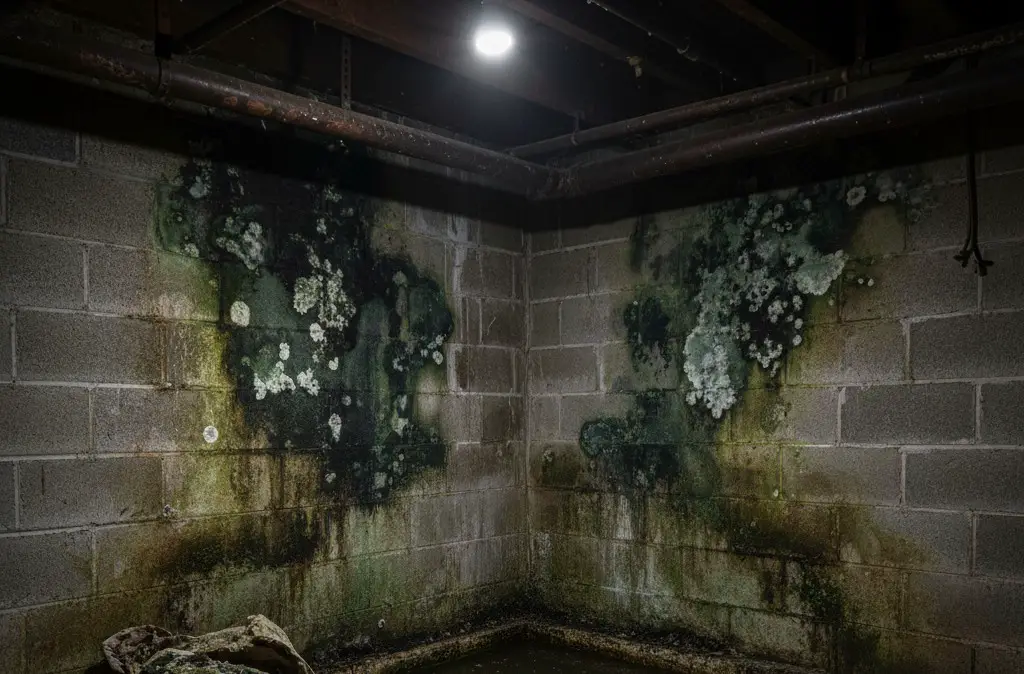
You’ve probably noticed that musty smell creeping up from your basement, and there’s a good chance water’s finding its way where it shouldn’t. Most homeowners don’t realize that preventing mold isn’t just about cleaning—it’s about stopping moisture at its source through strategic drainage. Your foundation’s under constant attack from groundwater, surface runoff, and poor ventilation, but the right drainage approach can transform your basement from a damp liability into usable space.
Understanding the Connection Between Water Infiltration and Basement Mold Growth
When water finds its way into your basement, it creates the perfect breeding ground for mold growth that can quickly spiral out of control. Water infiltration occurs through multiple pathways that you must understand to protect your home. Hydrostatic pressure forces groundwater through foundation cracks and porous walls, while deteriorated sealing around windows creates additional entry points. Rainwater without proper drainage saturates soil near your basement walls, increasing infiltration through capillary action.
Once moisture enters, mold spores can begin thriving within 24 hours if conditions aren’t addressed promptly. Hidden plumbing leaks behind walls create moisture pockets that fuel mold growth you can’t see. The resulting mold exposure can trigger respiratory symptoms including stuffy nose, coughing, and throat irritation in household members. Understanding these infiltration routes helps you identify vulnerabilities before they become serious mold problems threatening your family’s health.
Exterior Drainage Solutions for Foundation Protection
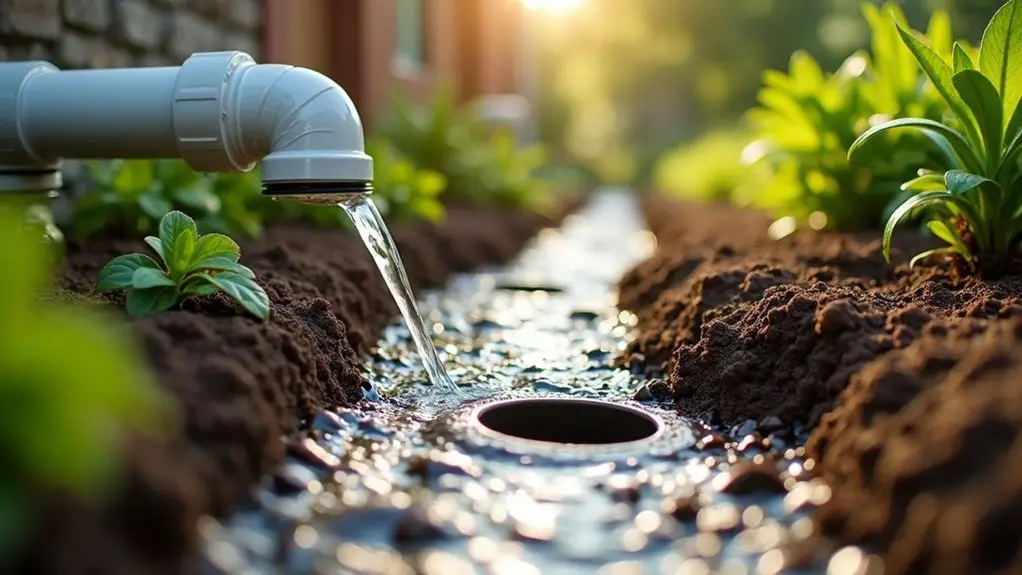
Effective exterior drainage systems form your first line of defense against water infiltration that leads to basement mold problems. You’ll want to install perimeter drainage using perforated pipes around your foundation’s edges to collect and redirect water to sump pits or safe discharge points. French drains work exceptionally well, combining perforated pipes with gravel backfill to prevent clogging while maximizing water collection.
Don’t overlook proper surface grading – you need at least a 6-inch slope over the first 10 feet from your foundation. Extend downspouts several feet away from walls and consider footing drains for high water table areas. Adding waterproofing membranes to exterior foundation walls creates an additional barrier that prevents water seepage into the foundation material. These systems work together to reduce water pressure against foundation walls, preventing the moisture conditions that allow dangerous mold growth in your basement.
Interior Drainage Systems and Sump Pump Installation
While exterior drainage handles water before it reaches your foundation, interior drainage systems tackle moisture that’s already made its way into your basement. These systems use perforated pipes installed along your basement’s perimeter to collect groundwater seepage and direct it to a sump pit.
Your sump pump then removes this collected water, discharging it safely away from your foundation. This prevents dangerous hydrostatic pressure buildup that can cause structural damage and creates the ideal environment for mold growth. Effective moisture management also helps improve indoor air quality by reducing the conditions that allow harmful contaminants to thrive in your basement space.
Interior systems cost less than exterior solutions and don’t require extensive excavation around your home. However, you’ll need regular maintenance to keep your sump pump functioning properly. Install backup power sources and alarms to protect against pump failure during storms when you need protection most.
Moisture Control Through Ventilation and Dehumidification
Even after installing drainage systems, your basement’s air quality requires active management to prevent moisture buildup and mold growth. You’ll need mechanical ventilation systems like exhaust fans and heat recovery ventilators to attain the EPA-recommended 6 to 8 air exchanges daily. Natural ventilation won’t suffice in below-grade spaces.
Dehumidifiers complement ventilation by extracting moisture that airflow alone can’t eliminate. Whole-house units integrated into your HVAC system maintain consistent humidity levels throughout your home. Position exhaust fans near moisture sources and guarantee vent pathways remain unblocked for maximum effectiveness.
Maintain relative humidity between 30% and 50% to prevent mold germination. Use humidity sensors for automated operation, and perform regular maintenance to sustain ideal performance and protect your family’s health. Proper ventilation systems actively remove excess moisture from your basement environment, creating conditions that discourage mold development.
Choosing the Right Drainage System for Your Home
When your basement faces persistent water issues, selecting the appropriate drainage system becomes crucial for long-term protection. You’ll need to assess your basement’s water sources and inflow volume first. If you’re dealing with groundwater seepage, interior drain tile systems offer effective protection by channeling water directly to sump pumps. For surface water problems, French or curtain drains redirect water away from your foundation.
Interior systems cost about half as much as exterior options and install faster with minimal disruption. They’re concealed beneath concrete and require less maintenance. Exterior systems provide thorough protection but involve extensive excavation and higher costs. Floor drains serve as a standard solution that captures overflowing water from plumbing fixtures while keeping basement floors dry to prevent damage. Consider combining drainage with waterproofing for maximum defense against extreme weather. Professional installation guarantees proper functionality and prevents dangerous clogs that could compromise your home’s safety.
Maintenance Requirements and System Longevity
Once you’ve installed your drainage system, establishing a consistent maintenance routine dictates whether it’ll protect your basement for decades or fail when you need it most. Inspect your system twice yearly, checking for cracks, water stains, and mold growth. Test your sump pump quarterly by pouring water into the pit to guarantee proper activation and drainage. Clean the pump’s intake valve and pit regularly to prevent sediment buildup that can cause failures. Monitor humidity levels with a hygrometer and service your dehumidifier annually. Schedule professional inspections yearly and replace sump pump alarm batteries to maintain reliability. Neglecting maintenance can lead to structural damage as water infiltration weakens your foundation over time. Clear gutters seasonally and protect external components from freezing to make certain your family’s safety.