
When to Put the Ice Melt Before of After Snow
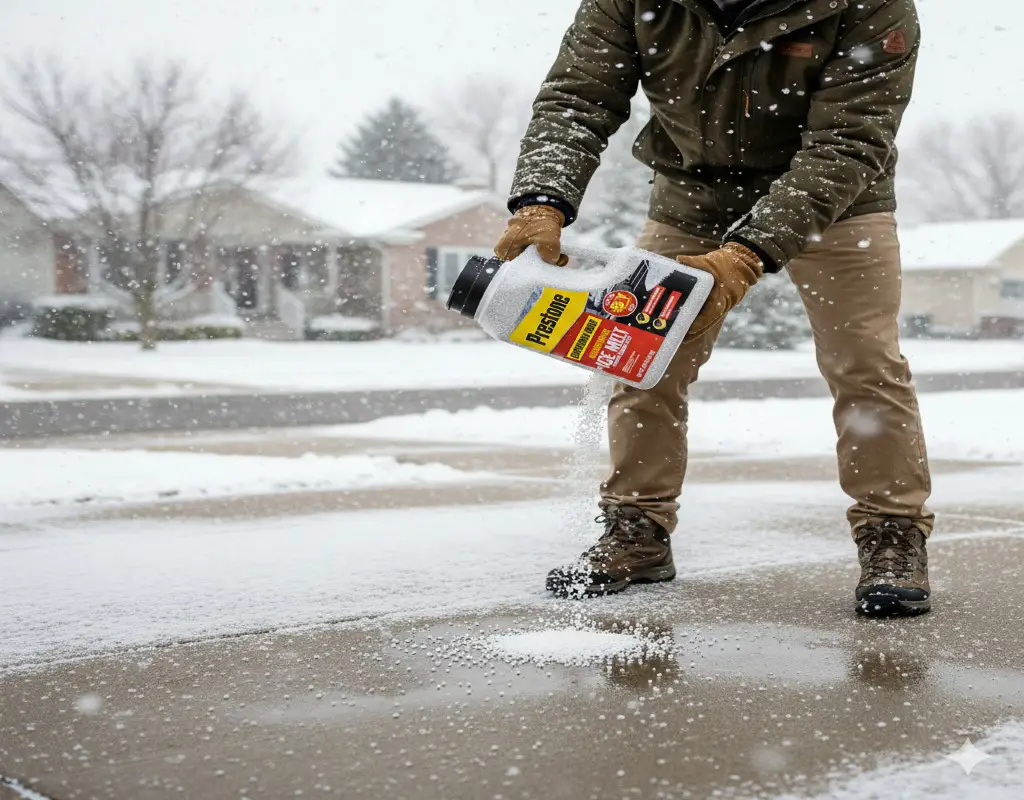
You’ve probably noticed your neighbor spreading ice melt on their driveway hours before the forecast snow arrives, while another waits until after shoveling to apply it. Both approaches work, but understanding when to apply ice melt can mean the difference between a quick cleanup and hours of back-breaking work. The timing of your application affects how well the product prevents ice bonding, how much you’ll need to use, and ultimately, how safe your walkways will be.
Understanding How Ice Melt Works and Why Timing Matters
When winter weather threatens your property, knowing when to apply ice melt can mean the difference between a safe walkway and a hazardous ice rink. The timing of your application directly impacts how effectively the product works.
Ice melt functions by lowering water’s freezing point, which triggers the melting process. Applying ice melt before precipitation creates a brine layer that’ll prevent bonding between ice and surfaces, making snow removal considerably easier.
During active snowfall, strategic application helps break down accumulation and stops hard-packed layers from forming. After you’ve cleared your walkway, spread a light layer to prevent refreezing when temperatures drop.
Mastering these application techniques guarantees you’re maximizing the product’s effectiveness while maintaining safe conditions throughout winter storms.

Snow Joe Premium Enviro Blend Ice Melt, Green-Coated Deicer Crystals, 50 lb - Safer Melter for Vegetation, Concrete & Metals w/ Anti-Corrosion Calcium...
Applying Ice Melt Before Snowfall: Creating a Protective Barrier
Before winter storms arrive, applying ice melt strategically transforms your walkways from potential hazard zones into protected surfaces that’ll resist ice formation.
Pre-storm application creates a protective barrier by forming brine that works to prevent ice from bonding to your surfaces. You’ll achieve effective results when you spread evenly across the ground, ensuring maximum contact with the pavement rather than piling product unnecessarily.
This before snowfall technique works by lowering water’s freezing point, which helps reduce formation of hard-packed snow and ice. The protective layer maintains traction while keeping surfaces cleaner, minimizing how much you’ll need to shovel later.
Using Ice Melt During and After Snow Events
While pre-treatment sets the foundation for winter safety, active snow events demand a different approach to ice melt application.
You’ll want to use ice melt while shoveling to enhance traction and prevent ice formation on cleared surfaces. During snowfall, continuous application of ice melt products helps prevent hard-packed snow from developing into a dangerous layer of ice.
Put down ice melt strategically as you clear pathways, ensuring safety throughout the event. After snow melts, apply a light layer to prevent refreezing during cold nights.
Monitoring weather patterns is essential for determining when to reapply, especially when temperatures fluctuate.
This dynamic approach optimizes melting efficiency and maintains clear, safe walkways throughout winter storms.
Common Application Mistakes That Reduce Effectiveness
Though ice melt products are designed to simplify winter maintenance, improper application techniques can severely undermine their performance and waste your money.
Applying ice melt on top of snow piles rather than cleared surfaces prevents proper contact with the ground, reducing its effectiveness. Using excessive amounts doesn’t improve melting snow and ice—it just gets tracked indoors, creating mess and potential damage to your flooring.
Always read application directions carefully, as each product has specific guidelines for effective use. Timing matters: apply ice melt before precipitation freezes rather than waiting for hardened ice to form.
Finally, promptly clean up any tracked materials indoors to prevent moisture damage and maintain your surfaces.
Best Practices for Safe and Efficient Ice Melt Use
Mastering three strategic timing windows will maximize your ice melt’s performance while minimizing product waste. Understanding when to put the ice melt before or after snow guarantees best practices for safe and efficient ice melt use.
Apply materials for melting snow pre-storm to create a protective barrier below the freezing temperature of water. During ice melt during snowfall, reapply for improved traction and reduced accumulation.
Post-shoveling applications prevent dangerous refreezing overnight.
Use spreaders for even coverage, avoiding overapplication that causes potential damage to surfaces and vegetation. Choose environmentally friendly products and monitor weather patterns to optimize your snow-melting strategy.
These applying ice melt techniques deliver superior results while protecting your property and surrounding environment from unnecessary chemical exposure.
Frequently Asked Questions
Do You Put Ice Melt Down Before or After It Snows?
You should put ice melt down both before and after it snows. Apply it before snowfall to prevent ice bonding, then reapply after shoveling to stop refreezing and maintain safe surfaces throughout the storm.
What Is the Best Time to Apply Ice Melt?
An ounce of prevention is worth a pound of cure. You should apply ice melt just before snow begins falling. This creates a protective brine layer that prevents ice from bonding to your surfaces, maximizing effectiveness.
How to Correctly Use Ice Melt?
You’ll want to spread ice melt evenly using a handheld or push spreader, following the manufacturer’s directions. Don’t overapply, as this causes residue buildup and can harm nearby vegetation while wasting product.
Should You Put Ice Melt Down at Night?
Yes, you should put ice melt down at night before expected snowfall. It’ll create a brine that prevents ice from bonding to surfaces, making morning snow removal much easier and more effective.