
Window Screen Repair and Replacement – Quick Fix Guide for Any Frame
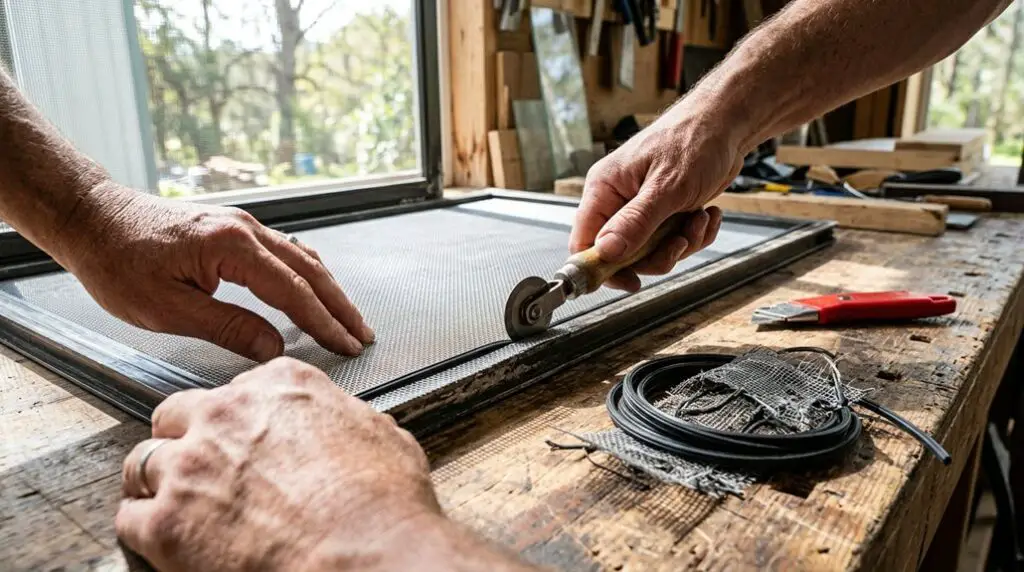
A single torn screen is like a welcome mat for every mosquito in the neighborhood—one small gap invites a season’s worth of problems. Whether you’re patching a tiny rip or swapping out an entire mesh panel, you don’t need professional help or expensive tools. With the right materials and a few straightforward steps, you’ll have a tight, clean screen in under an hour. The key is knowing when a patch won’t cut it.
Patch or Replace? How to Assess Your Window Screen
Before you grab your tools, take a close look at your window screen to determine whether a simple patch will do or if you’re better off replacing the whole thing. Assess the damage carefully. If you spot small tears no larger than a dime, a self-stick repair kit lets you patch them quickly and affordably.
However, a damaged screen with multiple tears or brittle, weathered mesh demands full replacement. Check whether you have an intact frame—warping or cracks mean you should replace the entire unit. Old mesh reduces visibility and curb appeal, undermining your home’s protection. Take command of the decision: repair minor issues fast, but don’t waste time patching a window screen that’s past its prime.
Tools and Materials for Window Screen Repair
For materials, grab your screening material—fiberglass mesh works for most jobs, while pet-resistant options handle high-traffic areas. Match your rubber spline diameter to the frame’s groove. If you want everything in one package, window screen kits bundle the essentials for a straightforward replacement. When cutting your new screen, leave a 1-inch margin around all edges for proper fitting. Use the utility knife carefully during trimming to protect your fresh mesh from accidental cuts.
How to Choose the Right Replacement Screen Mesh
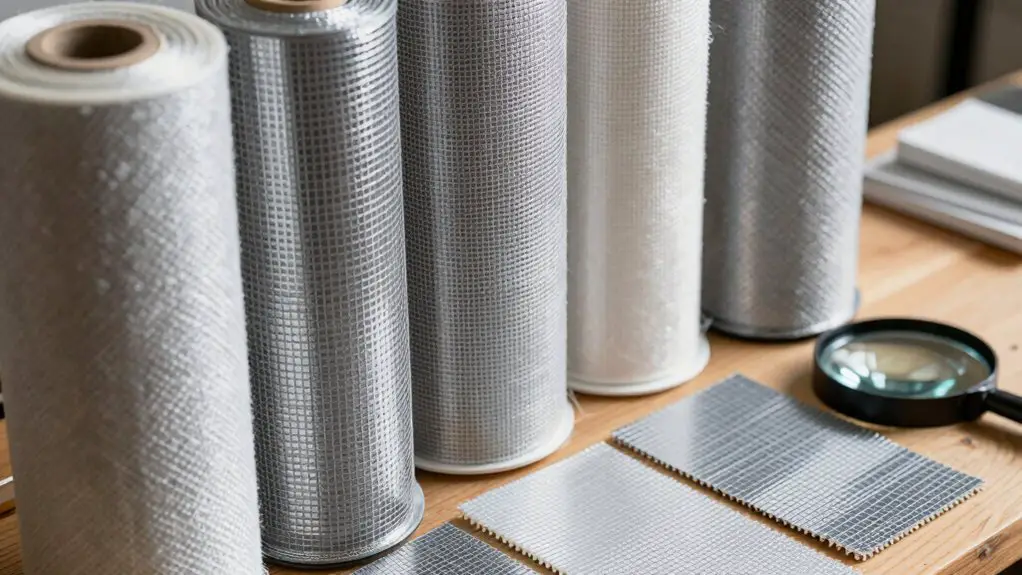
Picking the right replacement screen mesh comes down to matching the material to your specific needs. For a standard window screen replacement, fiberglass mesh is your most cost-effective new screen material. If you have pets, heavy-duty pet-resistant screening handles claws and rough contact without sacrificing airflow. In bug-heavy regions, extra fine mesh screening blocks smaller insects that standard options miss. Aluminum mesh stands as a durable option for high-traffic areas and harsh weather exposure, resisting rust over time.
Before purchasing, measure your window frame precisely. When you cut the screen, leave a 1-inch allowance on every side to guarantee a proper fit during installation. This extra margin gives you full control over tension and alignment, eliminating guesswork from the process.
How to Replace a Window Screen Step by Step
Five straightforward steps take you from a torn, ineffective window screen to a fully restored one. First, remove the screen from the window frame and use a flathead screwdriver to remove the spline and damaged mesh. Next, cut your new screening material to size, leaving an extra inch on all sides. You’ll find quality options at any hardware store. Then, press the mesh into the frame’s groove using a spline roller tool, securing it tightly without warping. Trim the excess mesh and spline along the groove edge with a utility knife. Finally, reinstall the frame snugly. When weighing repair vs replace, this D.I.Y project restores full insect protection in under an hour. You’ll command complete control over your window screens without hiring anyone.
Corner Tricks and Spline Tips for a Tight Fit
Every detail matters when you’re working spline into the frame’s groove, especially at the corners where most beginners run into trouble. Start at a top corner and use a spline roller to press the screen spline firmly, creating a tight fit throughout. Cut spline ends at 45-degree angles where they meet at corners to prevent popping and gaps.
During any window screen repair, keep the screen taut on a flat work surface as you secure it. Use masking tape to hold excess screening in place before rolling. This DIY screen technique eliminates wrinkles that invite small insects inside. Always match spline diameter to your frame’s groove when you replace a window screen. Precision here means durability, and durability means you won’t revisit this job anytime soon.