
Basement Waterproofing 101: Sump Pumps, Seals & Smart Insurance Tips
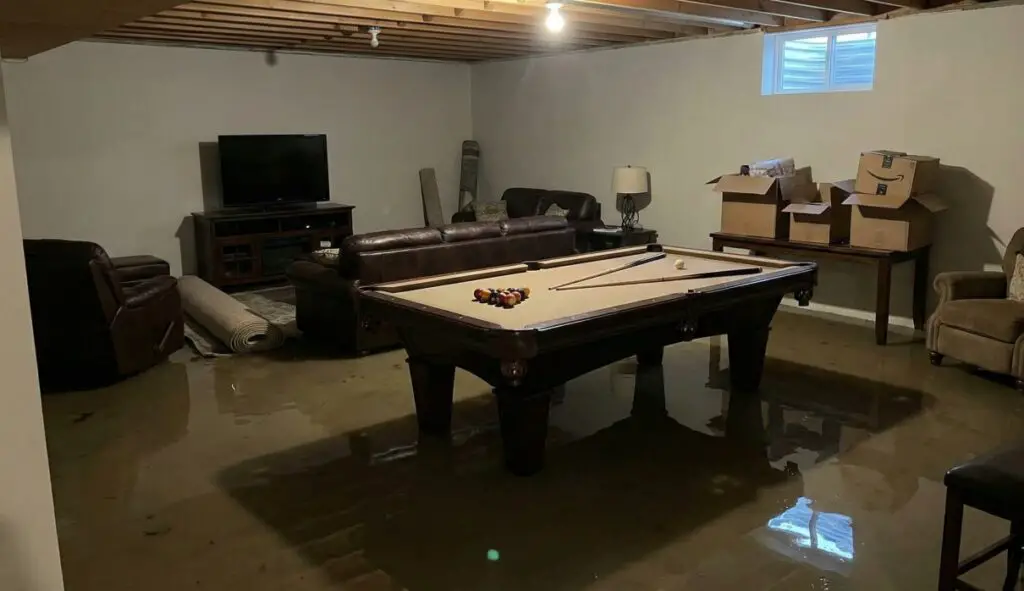
Like Noah preparing for the inevitable flood, you’ll want to fortify your basement before water finds its way inside. With 98% of U.S. basements experiencing water damage at some point, the question isn’t if moisture will threaten your foundation—it’s when. Your best defense combines strategic waterproofing methods, reliable sump pump systems, and surprisingly overlooked insurance considerations that could save you thousands. The approach you choose today determines whether you’re protected or paying later.
Understanding Water Damage Risks and Their Financial Impact
When you consider that approximately 98% of basements in the U.S. experience some form of water damage during their lifetime, it becomes clear that basement water issues aren’t a matter of “if” but “when.” Every day, around 14,000 Americans face water damage emergencies, with claims occurring in roughly 1 out of every 60 insured homes annually.
The financial consequences are substantial. Average water damage insurance claims range from $11,000 to $13,000, while restoration costs typically span $1,322 to $6,900 depending on severity. Structural damage can multiply these costs by over 100 times, potentially exceeding $50,000. Water exposure can also compromise your home’s electrical systems, leading to malfunctions, corrosion, and potential fire risks. Beyond immediate expenses, untreated basement water damage can reduce your home’s value by up to 20%, making proactive waterproofing essential for protecting your investment.
Interior vs. Exterior Waterproofing Methods: Choosing the Right Approach
Exterior waterproofing provides superior foundation protection by preventing water entry at the source, shielding against hydrostatic pressure and structural damage. However, it costs roughly double interior systems and requires disruptive excavation around your foundation. Additionally, French drain systems can experience clogs from silt and roots over time, requiring ongoing maintenance even when properly installed.
Interior waterproofing offers faster installation with minimal disruption, managing water through drainage systems and sump pumps. While less expensive and more accessible for maintenance, it’s reactive rather than preventive.
Choose exterior methods for thorough long-term protection, especially in high water table areas. Select interior systems when excavation isn’t feasible or you’re addressing moderate moisture issues.
Sump Pump Systems and Drainage Solutions for Long-Term Protection
Three key components form the backbone of an effective sump pump system: the sump pit, the pump itself, and the discharge line that carries water safely away from your foundation. Your sump pit sits at your basement’s lowest point, collecting groundwater before it can flood your space. Drainage channels like French drains direct water to this pit, where your pump activates via float switch.
You’ll need regular maintenance to keep your system reliable. Inspect annually as your pump approaches its 10-year lifespan, watching for iron buildup, clogged discharge lines, or debris. Install a backup system for power outages—your basement’s protection can’t afford downtime. Quality components and professional installation reduce failure risks, while proper landscaping and exterior waterproofing create thorough long-term protection.
Round drainage channels present a significant concern as they allow debris buildup, which can slow down water flow and compromise your system’s effectiveness.
Cost Breakdown and ROI Analysis for Basement Waterproofing Projects
Understanding the financial investment required for basement waterproofing helps you make informed decisions that protect both your home and your wallet. You’ll typically spend between $4,500 and $5,200 for thorough waterproofing, with costs ranging from $2,300 to $8,200 depending on your basement’s condition. Exterior methods average $7,000 but provide superior long-term protection, while interior solutions cost around $3,000 for moisture management. Labor represents your largest expense at approximately $200 per hour, plus materials ranging from $2 to $100+ per square foot. Your investment pays dividends by preventing costly foundation repairs exceeding tens of thousands of dollars, increasing property value, and potentially reducing insurance premiums. Homes built before 1960 often require specialized drainage solutions due to inadequate original water management systems that increase overall project complexity. Choose exterior waterproofing for maximum ROI despite higher upfront costs.
Insurance Coverage Strategies and Documentation Best Practices
While basement waterproofing protects your home from water damage, maneuvering insurance coverage for these investments requires strategic planning and meticulous documentation. Your standard homeowner’s policy won’t cover waterproofing itself, but it’ll protect against sudden incidents like burst pipes or appliance overflows. You’ll need separate flood insurance for storm-related damage and specific endorsements for sump pump failures.
Document everything meticulously. Keep detailed records of installations, repairs, and maintenance. When damage occurs, photograph everything before cleanup and report claims immediately. Maintain receipts, warranties, and service agreements for all waterproofing components.
Consider adding water backup endorsements and reviewing your policy annually. Proper waterproofing reduces claim frequency and demonstrates responsible maintenance, potentially lowering premiums while strengthening future claims. Water damage from poor drainage or foundation issues typically falls outside standard coverage parameters.