Choosing glass railing for your deck isn’t as simple as picking what looks good in a showroom. You’ve got safety concerns, local codes, material quality, and costs all competing for your attention. Make the wrong call, and you’re looking at replacements, fines, or worse. Get it right, and you’ll have a deck that’s both stunning and built to last. Here’s everything you need to know before you spend a dime.
Framed vs. Frameless: Which Glass Railing Style Fits Your Deck?
When choosing a glass railing for your deck, one of the first decisions you’ll face is whether to go framed or frameless.
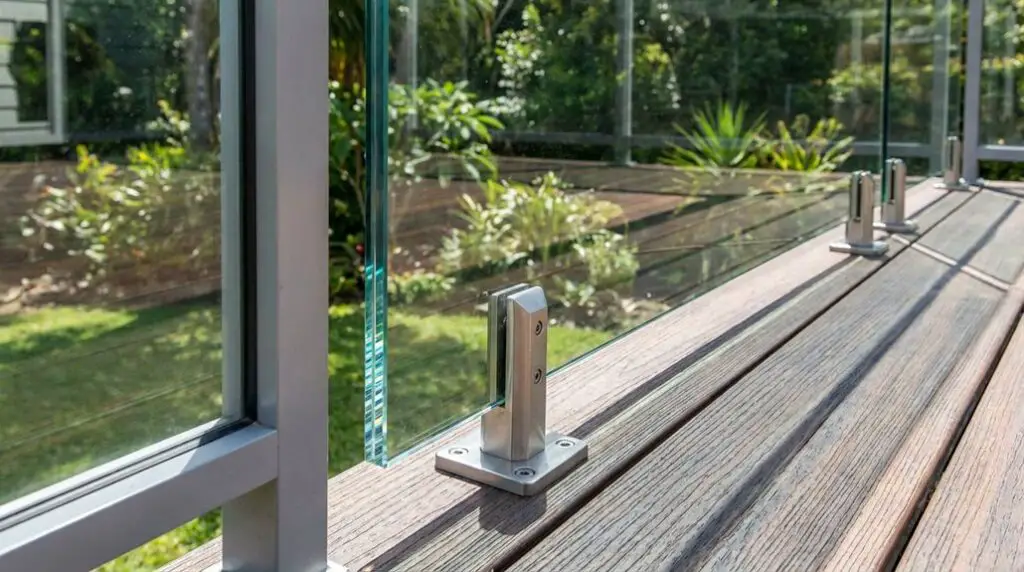
Framed glass railings deliver superior safety with upper and lower rails, making them ideal if you have children or pets. They’re also compatible with thinner safety glass (10–12 mm), simplifying installation.
Frameless glass railings, however, command unobstructed views and a modern look that elevates any deck’s appeal. Their clean, minimalist design relies on vertical posts, requiring thicker safety glass (15–19 mm) for stability.
Both styles demand compliance with local building codes, which regulate height and glass specifications.
Assess your priorities — safety reinforcement, aesthetic impact, or structural requirements — then choose the system that aligns with your deck’s demands and your vision.
How Much Do Glass Deck Railings Really Cost?
Most homeowners find that glass deck railings cost between $50 and $150 per linear foot, with the final price depending on your glass type, framing choice, and customization level.
Frameless glass systems demand thicker glass, driving up both material costs and installation expenses. Expect to pay professionals $50 to $100 per hour, and factor in specialized hardware that frameless designs require.
Beyond material costs, you’ll need to verify compliance with local building codes and safety standards, which can influence your glass specifications and overall budget.
While upfront costs run higher than traditional deck railings, glass delivers exceptional durability with minimal maintenance, translating into long-term savings.
Glass railings cost more upfront, but their durability and low maintenance requirements make them a smart long-term investment.
You’re not just buying a railing—you’re investing in a high-performance feature that commands attention and holds its value.
What Type of Glass Do Glass Railings Actually Use?
Understanding what you’re paying for starts with knowing what’s actually in that railing. Glass Railing Systems rely on two primary glass types: tempered glass and laminated glass.
Tempered glass is heat-treated to become exceptionally strong, shattering into blunt fragments on impact — a critical safety advantage. Laminated glass bonds multiple layers together, keeping broken pieces intact and protecting against falls.
Glass thickness determines performance. Residential setups typically require 10–12 mm, while frameless options demand 15–19 mm for the structural integrity needed to meet code requirements.
Whatever system you choose, always confirm the etched tempered glass emblem on the panel. This marking verifies compliance with safety standards and guarantees you’re getting strong, durable glass that delivers clear views without compromising protection.


Glass Railing Thickness and Why It Matters More Than You Think
Glass thickness isn’t just a technical specification — it directly affects how safe, stable, and durable your railing system will be. For residential projects, 10–12 mm tempered glass handles the job. But if you’re building frameless systems, you’ll need 15–19 mm to guarantee safety and stability under real-world conditions.
Thicker glass delivers measurable advantages — greater rigidity, reduced vibration, and stronger resistance to wind pressure. These aren’t minor upgrades; they’re critical for outdoor living spaces like decks, balconies, and patios where exposure is constant.
Don’t overlook local building codes. They often mandate specific glass railing thickness requirements that directly impact structural integrity. Choosing the right thickness means your railing systems perform at the highest level — maximizing durability, ensuring compliance, and commanding the outdoor space you’ve built.
What Hardware and Post Materials Actually Hold Up Outside?
Once you’ve locked in the right glass thickness, the next question is what’s actually holding it in place. Your railing is only as strong as its posts and rails, glass clamps, and framed systems supporting it.
For outdoor use, stainless steel and powder-coated aluminum dominate for good reason—they resist corrosion, handle environmental wear, and require minimal upkeep. If you’re near the coast, don’t settle for less than marine-grade materials, which are built specifically for harsh, saltwater-heavy conditions.
Coastal air is relentless. Marine-grade stainless steel and powder-coated aluminum aren’t optional—they’re the only smart choice.
Your glass thickness also dictates your post strength. Thicker glass demands heavier, more capable support structures—don’t underestimate that connection.
Wood posts can work, but they’ll demand constant maintenance. Choose metal, choose smart finishes that resist grime, and build a railing system that holds its ground.
How to Check Your Local Building Codes Before You Buy
Before you spend a dime on glass railings, check your local building department’s website or call them directly—codes vary more than most people expect. Local building codes control everything about railing systems, from required heights of 36 to 42 inches to specific infill requirements for balusters.
Building codes mandate tempered glass or laminated safety glass to reduce injury risk—non-compliant materials won’t pass inspection. Structural requirements also dictate glass thickness: residential decks typically need 10–12 mm, while frameless systems demand 15–19 mm for stability.
Don’t assume one standard fits all. Know your numbers before you buy. Verifying these specs upfront keeps your project compliant, protects your investment, and guarantees your railing system performs exactly the way you need it to.
The Best Glass Deck Railing Systems Worth Buying Right Now
With so many options on the market, narrowing down the best glass deck railing systems comes down to performance, aesthetics, and ease of installation. Knowing the different types helps you choose the right system confidently.
The Skyline Glass system delivers unobstructed views with frameless options and easy-to-install instructions. For coastal environments, Skyline’s Frameless Glass Railing adds AAMA 2605 powder coating for durability.
Skyline’s frameless glass railing system offers unobstructed views, effortless installation, and coastal-ready durability with AAMA 2605 powder coating.
Trex Signature Glass Railing features a sleek top rail design with multiple textured colors, maximizing safety and aesthetic versatility. Trex Transcend combines traditional style with a continuous drink rail for added functionality.
Fortress FE26 Pure View simplifies angle adjustments on deck stairs while meeting building codes.
You don’t need expert guidance to make a strong choice — just the right facts about glass deck railings.